
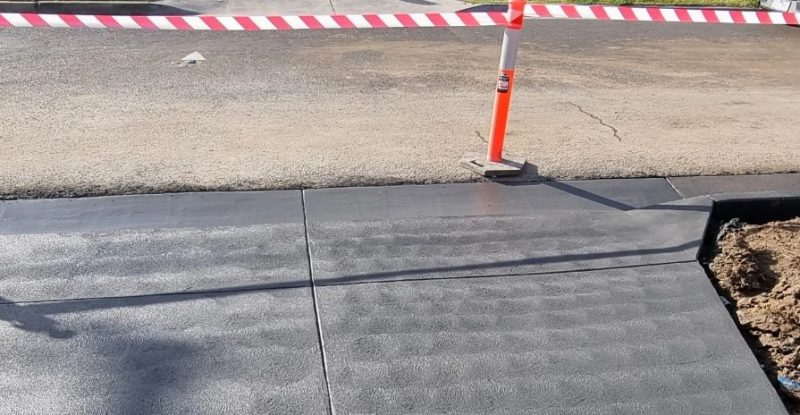
Andy Concreting shares concrete crossover tips for Melbourne homeowners, covering permits, placement, levels, and planning for compliant results every time.
When it comes to concrete crossover tips, Melbourne homeowners need to understand that a crossover is not simply part of the driveway. It usually extends across council-managed land such as the footpath, nature strip, or kerb area, which means planning is essential. Taking the right steps early can help you avoid delays, extra costs, and compliance issues once construction begins.
Check Council Rules and Permits Before Anything Else
Before any concrete is poured, it is essential to check the rules that apply to your property and street frontage. In Melbourne, a concrete crossover often involves works on council-managed land, so approval from your local council is usually required before any construction, modification, or relocation can begin. You may also need to consider planning controls, overlays, or access requirements if your property is located on certain roads.
Skipping this step can lead to costly setbacks and unnecessary delays. If a crossover is built without the right approval, homeowners may be required to remove and rebuild it to meet council standards. Starting with the permit process helps clarify the correct dimensions, placement, materials, and site-specific requirements before work begins.
For broader advice on preparing for residential concreting projects, see our guide to expert planning tips from concrete contractors in Melbourne.
Concrete Crossover Tips for Choosing the Right Location
Choosing the right location for a crossover involves more than simply aligning it with the garage. It needs to suit vehicle access, driveway layout, site conditions, and required clearances from trees, public assets, and surrounding infrastructure. A professional site assessment can help identify the most practical and council-compliant position for your property.
Some of the main factors to review include:
- street trees and root protection zones
- utility pits, hydrants, poles, and signposts
- footpath layout and kerb alignment
- garage position, parking space, and turning area
- the width of the frontage and available access points
Don’t Overlook Services, Easements, and Driveway Levels
One of the most common mistakes homeowners make is focusing only on the concrete finish instead of what lies beneath and around the crossover area. Underground services such as water, sewer, stormwater, gas, electricity, and communications can all affect the design and construction process. Checking these services and reviewing any easements before work begins can help avoid delays, redesigns, and unnecessary damage.
Driveway levels are just as important as the layout itself. Even if a crossover looks right on plan, poor levels can create access issues where vehicles scrape against the road or driveway edge. Careful planning helps create a smoother transition and a safer, longer-lasting result.
Reliable Concrete Crossover Tips from Andy Concreting
At Andy Concreting, we know that a successful crossover starts with careful planning. Our team provides practical advice, reliable concrete crossover tips, and quality workmanship tailored to Melbourne conditions. We focus on delivering crossovers that are durable, functional, and professionally finished.
If you are planning a new crossover or upgrading an existing one, contact us for expert advice and the right solution for your property.
Related Blog Articles:
Is a Concrete Driveway Worth the Investment? Pros, Cons & Lifespan
Concrete Flooring Trends for 2026: Innovative Outdoor Entertainment Spaces
Optimized by: Netwizard SEO